
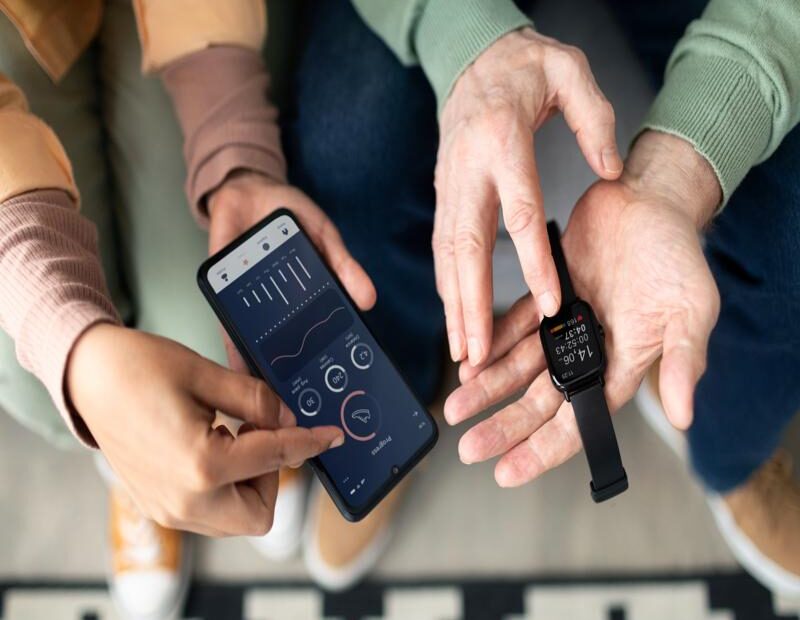
Introduction: Technology That Moves With You
Not long ago, technology stayed in our pockets. Today, it travels with us — wrapped around wrists, resting in ears, and even woven into clothing. Millions of Americans now track their health, monitor sleep, and receive important updates without ever picking up a phone. Wearables have quietly shifted from novelty gadgets to everyday essentials.
The idea behind wearables feedworldtech captures this transformation. It reflects a new phase of technology where wearable devices, artificial intelligence, and connected ecosystems work together to support daily life. Instead of requiring constant attention, technology now operates in the background, offering guidance exactly when it’s needed.
This article explores how wearable technology is evolving across the United States, why adoption continues to accelerate, and what lies ahead as wearables move closer to becoming personal digital companions.
Understanding Wearables Feedworldtech
Wearables feedworldtech represents the growing ecosystem in which wearable devices act as a continuous bridge between people and digital systems. Rather than interacting with technology occasionally, users now experience ongoing, real-time support throughout the day.
Early wearables focused on simple metrics such as step counts or workout tracking. Modern devices tell a much richer story. They analyze sleep patterns, monitor heart rhythms, detect stress levels, and provide personalized insights based on daily habits.
This shift signals a broader technological change. Devices are no longer tools we actively use; they are becoming systems that quietly assist us.
The Rapid Growth of the Wearable Technology Market
Wearable adoption in the United States has moved firmly into the mainstream. A majority of users now rely on wearable devices for fitness tracking, while a growing portion uses them for continuous health monitoring.
Market growth reflects this change in behavior. The global wearable technology market surpassed $200 billion in 2025 and continues expanding rapidly as innovation accelerates. North America leads adoption thanks to strong consumer demand, healthcare integration, and widespread digital infrastructure.
Ownership levels also tell an important story. Nearly half of American adults now own a smartwatch or fitness tracker, signaling that wearables are no longer early-adopter technology. They have become part of everyday digital life.
Key Types of Wearables Shaping the Industry
Smartwatches and Fitness Devices
Smartwatches remain the most recognizable category. They combine communication, payments, health tracking, and productivity tools into a single wearable device. For many users, the smartwatch has become the first screen they check each day.
Smart Glasses and AR Wearables
Smart glasses are gaining momentum as companies explore new ways to deliver information without traditional screens. Navigation prompts, notifications, and AI assistance can appear directly within a user’s field of vision, reducing reliance on smartphones.
Smart Rings and Minimal Wearables
A growing trend favors subtle technology. Smart rings and other minimalist devices focus on passive monitoring and voice interaction rather than visual interfaces. These wearables emphasize convenience and discretion, appealing to users who want technology without distraction.
Hearables and Smart Audio
Wireless earbuds have evolved into intelligent devices capable of monitoring activity, adapting sound environments, and supporting voice assistants. They blend entertainment, productivity, and health features into a familiar form factor.
Medical and Smart Clothing
Wearable sensors embedded in clothing and medical devices are expanding healthcare beyond clinical settings. Continuous monitoring allows patients and healthcare providers to track health conditions in real time, often from home.
AI Is Redefining Wearables in 2026
Artificial intelligence is reshaping what wearables can do. Instead of simply collecting data, devices now interpret information and provide meaningful feedback.
Recent wearable processors allow AI to run directly on the device. This approach reduces reliance on cloud processing, improves privacy, and delivers faster responses. Users receive personalized insights based on behavior patterns, activity levels, and environmental context.
The result is a significant shift. Wearables are evolving from passive trackers into active assistants capable of learning from daily routines.
Wearables Feedworldtech in Healthcare and Wellness
Healthcare represents one of the most powerful applications of wearable technology. Continuous monitoring enables earlier detection of potential health risks and supports preventive care rather than reactive treatment.
Many telehealth patients now share wearable data with healthcare providers, allowing doctors to monitor conditions remotely. Devices can identify irregular heart rhythms, analyze sleep quality, and detect subtle physiological changes that might otherwise go unnoticed.
Research increasingly shows that combining wearable data with medical records improves prediction accuracy for certain conditions. This integration marks a major step toward personalized healthcare, where treatment decisions rely on ongoing data rather than occasional checkups.
Smart Glasses and Ambient Computing
The next phase of wearable innovation centers on ambient computing — technology that blends seamlessly into everyday environments.
Instead of constantly interacting with screens, users receive gentle prompts, voice guidance, or contextual information exactly when needed. Smart glasses and lightweight AI wearables are designed to reduce digital friction rather than increase screen time.
This approach changes how people interact with technology. The goal is not more devices, but smarter interaction.
Design Innovation and User Experience Trends
As wearables become more personal, design matters as much as functionality. Consumers expect devices that look and feel natural, not overly technical.
Manufacturers now prioritize comfort, lightweight materials, and fashion-forward aesthetics. Many wearable products are designed to resemble jewelry or lifestyle accessories rather than electronic devices.
Sustainability is also gaining attention, with companies exploring recyclable materials and energy-efficient components to meet growing environmental expectations.
Privacy, Security, and Ethical Challenges
Despite rapid progress, wearable technology faces legitimate concerns. Because devices collect continuous biometric data, privacy and data ownership remain critical issues.
Researchers and developers are working on stronger encryption, secure authentication methods, and privacy-focused AI systems to protect sensitive information. Building user trust will remain essential as wearables handle increasingly personal data.
Battery life is another ongoing challenge. Users expect always-on functionality, yet smaller devices limit power capacity. Continued innovation in energy efficiency will play a major role in future adoption.
Real-World Adoption Across Industries
Wearables are influencing far more than personal fitness. Across the United States, organizations are integrating wearable technology into daily operations.
Employers use wearables in wellness programs to encourage healthier lifestyles and reduce healthcare costs. Healthcare systems rely on remote monitoring to improve patient outcomes. Consumers use wearable insights to optimize sleep, exercise routines, and productivity habits.
These real-world applications demonstrate that wearable technology is transitioning from consumer electronics to infrastructure supporting modern life.
Current Trends Shaping Wearables Feedworldtech
Several trends are shaping the direction of wearable innovation:
- AI processing directly on devices is becoming standard.
- Screenless and voice-driven interfaces are gaining popularity.
- Health monitoring continues to drive consumer demand.
- Wearables increasingly connect with smart homes and IoT ecosystems.
- Personalization powered by behavioral data is becoming a defining feature.
Together, these developments position wearables as central hubs within the broader digital ecosystem.
Benefits for U.S. Consumers
The appeal of wearable technology comes down to practical value. Users gain deeper awareness of their health and habits. Daily tasks become faster and more convenient. Personalized insights help individuals make better decisions about wellness and productivity. Over time, these small advantages add up, making wearables feel less like optional gadgets and more like supportive tools for everyday living.
Challenges Slowing Adoption
Even with strong growth, some obstacles remain. Battery limitations, privacy concerns, and device costs still influence purchasing decisions. In addition, fragmented ecosystems between platforms can create compatibility issues for users with multiple devices.
Addressing these challenges will determine how quickly wearables achieve universal adoption.
Future Predictions for Wearables Feedworldtech (2026–2035)
Looking ahead, wearable technology is expected to move deeper into daily life. Devices will become smaller, smarter, and more predictive, offering assistance before users even ask for it.
Experts anticipate stronger integration with smart homes, transportation systems, and healthcare networks. Medical-grade diagnostics may eventually become standard features rather than premium upgrades.
Over time, wearables could reduce dependence on smartphones by serving as the primary interface between people and digital environments.
How Businesses and Professionals Can Benefit
The wearable ecosystem also presents major opportunities for businesses. Companies can leverage wearable data to improve workplace safety, support employee wellness, and enhance productivity insights.
For developers and entrepreneurs, wearables create new possibilities in software, artificial intelligence, and health technology innovation. As adoption expands, demand for wearable-focused solutions will continue to grow.
Frequently Asked Questions (FAQs)
What is wearables feedworldtech?
It describes the evolving ecosystem where wearable devices integrate AI, health monitoring, and connected technologies into everyday life.
Are wearables widely used in the United States?
Yes. Adoption has reached mainstream levels, with millions of Americans using wearables daily for health tracking and convenience.
How do wearables support healthcare?
They enable continuous monitoring, early detection of potential issues, and remote patient management through real-time health data.
Which wearable categories are growing fastest?
Smart glasses, AI-powered devices, and medical wearables are currently expanding at the fastest pace.
Will wearables replace smartphones?
Not immediately, but they are increasingly becoming a primary interaction layer for many everyday tasks.
Conclusion: The Smart Future Powered by Wearables Feedworldtech
Wearable technology has entered a defining stage. What began as simple fitness tracking has grown into an ecosystem capable of improving health, simplifying routines, and enhancing human decision-making.
In the United States, strong adoption combined with rapid AI innovation is accelerating this transformation. Wearables feedworldtech represents more than a technological trend — it reflects a shift toward technology that works alongside people rather than demanding constant attention.
As devices become more intelligent and seamlessly integrated into daily life, wearables are set to redefine how humans experience technology itself.
For More articles visit our website: “Ukstate“